What Are Paper Tubes Made Of and Why Recycled Paper Matters
Learn how paper tubes are made, why recycled paper matters, and how sustainable manufacturing supports stronger industrial packaging.

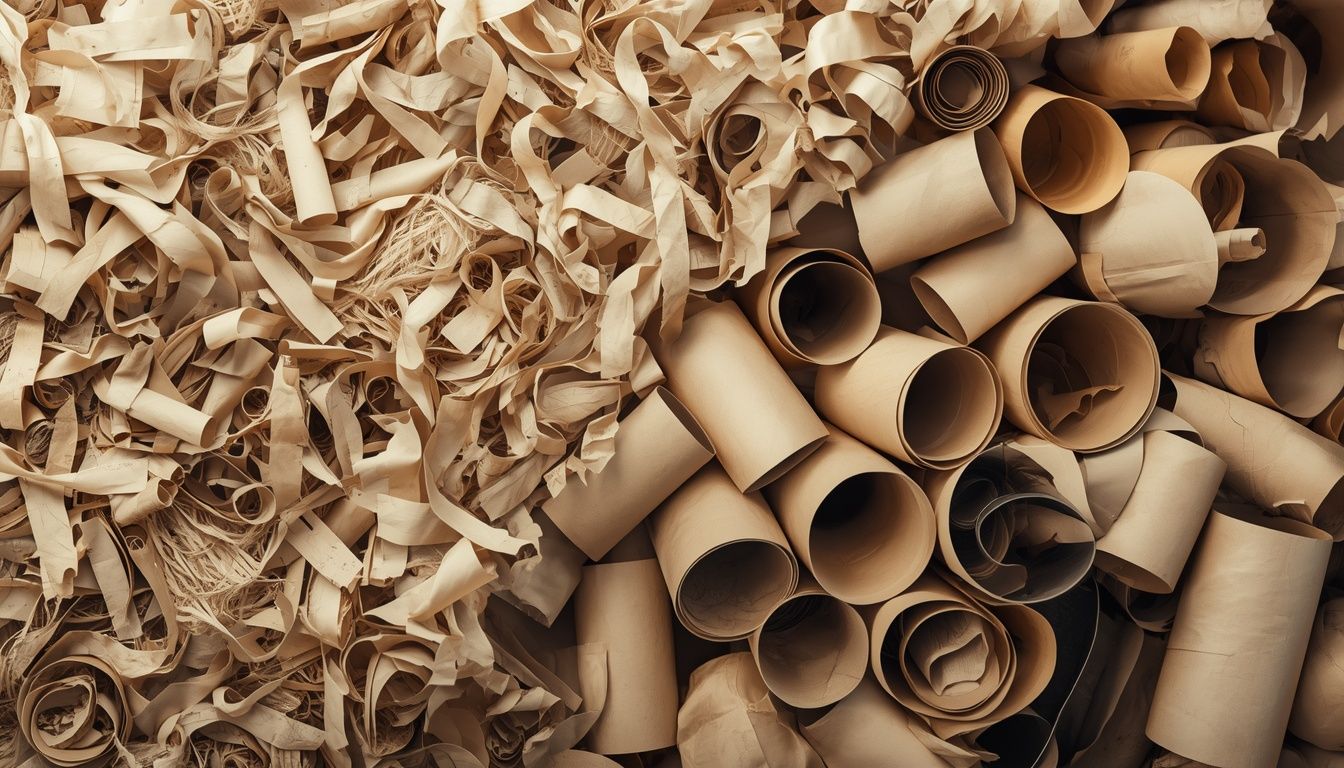
Manufacturers build a custom paper tube by winding multiple layers of paperboard together with strong adhesives. Companies like New Hampshire Paper Tube use 100% recycled materials to produce these spiral paper tubes, providing high strength for industrial shipping while reducing environmental impact.
People use paper tubes every day but rarely think about how they are made. You find them in packaging, shipping, textiles, and manufacturing. As industrial demands grow, sustainability expectations increase rapidly. Understanding the production process helps businesses make smart choices for their long term operations.
What Materials Are Used to Make Paper Tubes?
The foundation of any strong paper tube is high quality paperboard. Machines wind ribbons of paperboard together at specific angles, with adhesive applied between each layer to create maximum structural integrity. Industrial buyers specify different wall thicknesses depending on their application: heavy shipping requires thick, rigid walls to prevent crushing, while lighter packaging might only need thin walls.
Why Recycled Paper Plays Such an Important Role
Using recycled fiber reduces the constant demand for virgin wood, supports global waste reduction, and conserves natural resources — while quality and durability remain extremely high. At NH Paper Tube LLC, environmental responsibility guides production: paper sourced from 100% recycled materials, and 100% of waste paper recycled back into the loop. Industrial clients can meet their own green initiatives by purchasing from a responsible New England manufacturer with over 50 years of combined industry knowledge.
How Manufacturing Impacts Performance and Applications
The manufacturing process directly affects strength and compression resistance. Precision winding ensures accurate dimensions for strict industrial requirements. Common applications include:
- Packaging for retail and commercial goods
- Textile winding for fabrics and yarns
- Shipping protection for artwork and blueprints
- Industrial production processes
Why Material Choices Matter More Than Most Buyers Realize
Selecting the right materials determines product consistency and long term operational value. Sustainable materials combined with manufacturing precision ensure a dependable supply chain, and choosing an experienced manufacturer prevents unexpected failures.
Building Better Operations With Sustainable Cores
High quality products start with smart material selection. Sourcing recycled content supports sustainability goals without sacrificing structural strength. Industrial buyers need a reliable partner to deliver volume and consistency across New England.